When discussing online shopping platforms, Temu vs Amazon has quickly become one of the most common comparisons among users looking for affordability, convenience, and variety. Both platforms provide vast product selections and fast-growing ecosystems, but their approach to pricing, user experience, and customer benefits is different enough to influence buying behavior in meaningful ways. This comprehensive guide explores those differences and evaluates which option may be better for shoppers seeking value, practicality, and a seamless mobile-app experience.
Pricing Models and Product Strategy
Pricing has always been one of the biggest factors in the debate surrounding Temu vs Amazon, especially as more shoppers pay close attention to how platforms source, price, and deliver products. Understanding how each ecosystem sets its pricing strategy helps clarify why certain product ranges differ so dramatically and why customers may prefer one app over the other in specific situations.
How Temu Optimizes Ultra-Low Pricing
Temu relies on a manufacturing-to-consumer model that minimizes middlemen and shortens the supply chain significantly, creating opportunities for competitive pricing and frequent discounts. This structure allows the platform to offer products at unusually low prices without compromising its ability to scale across multiple categories. The app also encourages users to explore trending items, seasonal deals, and dynamic price adjustments that keep the catalog fresh. Because the focus is on affordability, new users often explore more product categories than they initially intended, making Temu’s model appealing for anyone seeking variety without high financial commitment.
How Amazon Balances Price and Convenience
Amazon takes a different approach that blends pricing with logistics, reliability, and broad marketplace participation. Sellers on the platform set their own prices, often influenced by competition and fulfillment advantages such as Amazon’s fast-delivery programs. Users may encounter higher price points, but those prices are tied closely to robust product pages, extensive reviews, and a stable supply network. Amazon’s appeal often lies not in being the cheapest platform but in delivering predictability and speed, especially for shoppers who prioritize fast arrival or need access to established global brands.
Pricing Models and Product Strategy
Delivery Speed and Fulfillment Experience
Delivery is another major factor shaping the Temu vs Amazon comparison, especially as users increasingly rely on apps for everything from daily household goods to last-minute purchases. Understanding the logistics behind each platform helps explain why delivery speed varies and what customers can expect when placing orders.
Temu’s Consolidated Shipping Method
Temu’s delivery system is designed around consolidated shipping, where multiple items from various sellers are combined into fewer packages before shipping to the end customer. This method reduces overall costs, allowing the platform to keep prices lower. However, delivery may take more time, especially for international shipments or large orders. For many shoppers, waiting a bit longer is acceptable given the price advantage and the option to track orders easily through the app. The experience is straightforward, with notifications and status updates guiding customers through each stage of the process.
Amazon’s High-Speed Logistics Network
Amazon’s global fulfillment network is one of its biggest competitive strengths, offering rapid delivery options supported by advanced distribution centers. Many products arrive quickly thanks to priority shipping, automated warehouse systems, and multiple courier partnerships. Customers who value fast arrival, consistent packaging, and minimal delays often choose Amazon for time-sensitive orders. This is especially true for categories like books, home essentials, electronics, or branded items where buyers expect verified quality and reliable delivery windows.
Delivery Speed and Fulfillment Experience
Product Range and Quality Assessment
Another important dimension of the Temu vs Amazon comparison concerns product variety and quality expectations, especially as both platforms feature millions of listings. Although the catalog sizes appear similar, the underlying structure of how products are sourced and presented can influence customer perception significantly.
Temu’s Trend-Driven, Low-Barrier Product Ecosystem
Temu focuses on highly accessible products across fashion, beauty, home goods, gadgets, and seasonal trends. Many items come directly from manufacturers, creating a catalog that refreshes quickly and adapts to user behavior. The app’s recommendation engine pushes new styles, practical tools, and lifestyle items that appeal to value-driven shoppers. While quality may vary depending on the seller, users typically rely on photos, descriptions, and community reviews to make informed decisions. The emphasis is on affordable experimentation, enabling customers to try new categories without major financial risk.
Amazon’s Brand-Heavy, Seller-Focused Marketplace
Amazon positions itself as a marketplace where third-party sellers coexist with global brands and official distributors. This creates a wide spectrum of quality, but also gives users access to recognizable names and product lines that may not exist on other platforms. Detailed reviews, customer Q&A sections, and transparent seller ratings help shoppers filter unreliable listings. The ability to locate official stores or verified sellers gives Amazon an advantage for users who want authenticity, especially in electronics, health products, books, and high-value items.
Mobile App Experience and User Engagement
Because both platforms rely heavily on mobile adoption, evaluating the app experience is crucial in the broader Temu vs Amazon debate. Each app targets different user behaviors, and those differences shape how customers engage with the ecosystem, navigate product categories, and complete purchases.
Temu’s Interactive, Discovery-Driven Interface
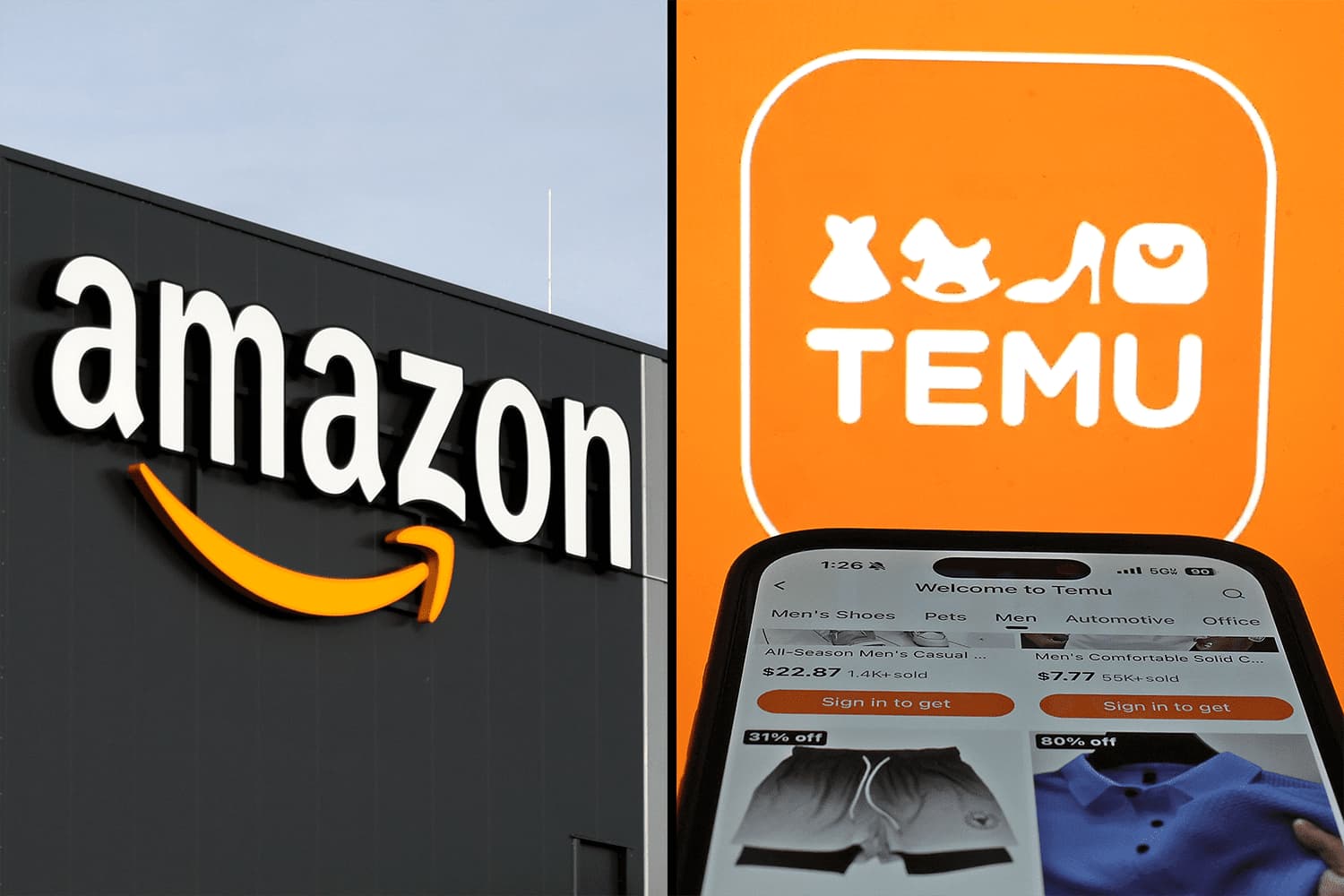
Temu’s app is built to create a playful and exploration-focused shopping journey. Dynamic banners, personalized recommendations, and social-inspired layouts encourage users to scroll, browse, and discover categories they might not have considered. The checkout flow is simple, and the platform frequently introduces app-exclusive promotions that strengthen user engagement. Temu’s interface is designed with mobile-first principles, making browsing, searching, and tracking orders smooth and intuitive even for first-time users.
Amazon’s Utility-Focused, Information-Rich Layout
Amazon’s app prioritizes functionality and clarity, presenting product details, specs, and customer information in a structured format. With extensive filtering options, technical descriptions, and organized listings, the app appeals to shoppers who want transparency and efficiency. Instead of emphasizing trends or gamified browsing, Amazon focuses on delivering reliable information for decision-making, especially in complex product categories. The interface is built to support quick purchases, repeat orders, and comparison-based shopping.
Mobile App Experience and User Engagement
Customer Support and Post-Purchase Experience
Customer service is a defining element in the ongoing Temu vs Amazon discussion because post-purchase experiences influence long-term loyalty. Users often judge platforms by how they handle refunds, damaged goods, or inaccurate orders.
Temu’s Simplified Refund and Return Structure
Temu provides straightforward refund options centered on convenience and user reassurance. Many items qualify for easy refunds without requiring complicated steps, and the app guides users through each action with clear instructions. This approach targets shoppers who want a stress-free experience after receiving their order, especially when purchasing low-cost or non-essential items. By simplifying the resolution process, Temu encourages first-time users to shop confidently and explore more categories.
Amazon’s Extensive Customer Service Framework
Amazon offers a more robust service system with live chat, structured return policies, and direct links to sellers. Many products come with clear warranty details, and refunds are processed efficiently once items are returned or verified. Because the platform works with many sellers and brands, customers may experience different procedures depending on the listing, but the overall support structure is reliable. Amazon’s long-term reputation in customer service often makes users feel secure when ordering high-value or essential products.
Which Platform Is Better for Different Shopping Goals?
The question of Temu vs Amazon ultimately depends on what shoppers value most in their purchasing journey. Both platforms serve different needs, and understanding those needs ensures customers choose wisely based on budget, urgency, and expectations.
When Temu Offers the Most Value
Temu stands out when affordability, variety, and trend discovery are the top priorities. Users who enjoy browsing lifestyle products, experimenting with categories, and taking advantage of app-exclusive discounts often find Temu more appealing. Its manufacturer-direct model, combined with dynamic price strategies and a discovery-focused interface, creates a budget-friendly shopping environment with plenty of excitement. For many shoppers, Temu becomes a go-to app for everyday items, small gadgets, décor, and lifestyle essentials.
When Amazon Becomes the Stronger Choice
Amazon is often preferred for shoppers seeking speed, established brands, and detailed product information. Its logistics network, reliable customer service, and comprehensive listing structure make it ideal for urgent orders or high-value purchases. Users who depend on verified reviews, warranty information, and official store listings often lean toward Amazon for peace of mind. Whether buying electronics, books, home essentials, or branded goods, the platform’s emphasis on quality and transparency delivers a predictable experience.
The comparison of Temu vs Amazon highlights two online shopping platforms built on entirely different value systems, yet both play important roles in shaping modern consumer behavior. Temu appeals to shoppers who prioritize affordability, discovery, and a mobile-first, trend-driven experience, while Amazon remains the preferred option for buyers who want speed, brand assurance, and highly structured product information. Understanding what each platform does best allows consumers to make smarter decisions based on their personal shopping style, whether they are exploring new products at low prices or securing reliable delivery for essential items. In the end, both platforms coexist as powerful choices, and the better option depends on whether value or convenience takes priority in each shopping mission.